How to Plan a Northern Lights Night in Michigan Without Chasing Every Alert.
A practical guide to checking aurora forecasts, clouds, and dark-sky locations before heading out in Michigan.
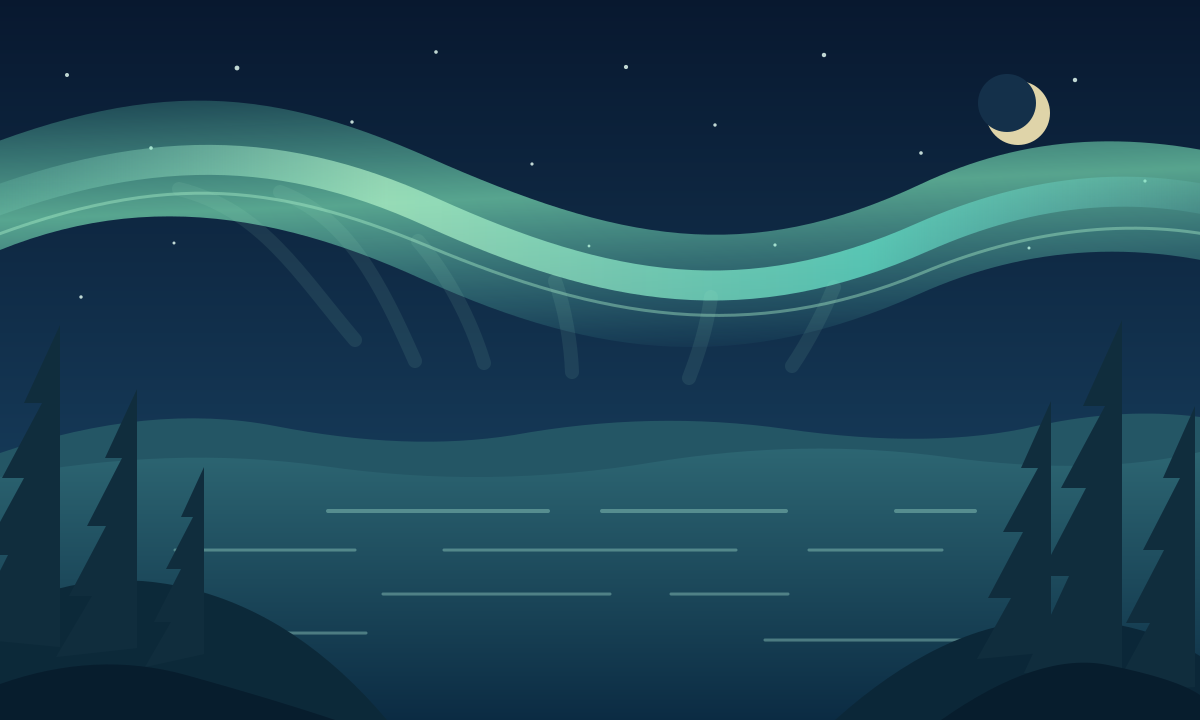
There are few things that get people in Michigan checking their phones quite like a northern lights alert. Suddenly, everyone wants to know the same thing: Can I see them from here tonight?
Of course, finding out isn't always quite that simple. You can have a promising aurora forecast, a full tank of gas, and a beautiful view of Lake Superior—and still end up looking at a very impressive collection of clouds.
The northern lights are one of the things I love about living in Michigan's Upper Peninsula. They are also one of the reasons I wanted the 906 Dashboard and Up North Dashboard to bring helpful information together. When an alert pops up, most of us don't want to become space weather experts before deciding whether to put on a coat.
So here is how I would approach planning a night out, whether you're in the U.P. or across the bridge in northern Lower Michigan.
Start with the forecast, not just the alert
A northern lights alert is a reason to pay attention. It isn't a reservation for a 10 p.m. showing.
Auroras happen when charged particles interact with gases in Earth's upper atmosphere. Their location and brightness change as conditions in space change. Stronger geomagnetic activity can push the area where auroras appear farther south, giving more of Michigan a chance to see them.
One number you'll often see is the Kp index, which describes geomagnetic activity on a scale from 0 to 9. In general, higher numbers mean a better chance that the aurora will reach farther south. But Kp doesn't know whether there are clouds over your house, and no single number can promise what you'll see from your exact location.
The U.P. is farther north than the Lower Peninsula, so the same forecast may offer different chances on opposite sides of the bridge. Even so, there isn't a magic Kp number that guarantees a show. Think of it as one clue, not the whole answer. NOAA has a useful explanation of viewing conditions and Kp if you want to dig a little deeper.
Look at the aurora map
Forecast maps show where the aurora is expected to be most active. The colorful ring around the northern part of the globe is often called the auroral oval.
If that oval moves toward the Great Lakes, it is worth paying closer attention. It doesn't have to be directly over your head for an aurora to be visible: under the right conditions, you may see a display on the northern horizon from farther south.
One thing I would keep in mind: the map is a forecast, not a live camera. NOAA's short-term aurora forecast estimates activity ahead of time, and conditions can change. Check it again closer to when you plan to leave.
Now check the clouds
This might be the least exciting part of the process, but it can save you a cold, disappointing drive.
You could have plenty of aurora activity above the clouds and never see it from the ground. Look at the forecast for the place you actually plan to visit, not just the weather outside your window. Cloud cover can be different along another stretch of shoreline or a little farther inland.
For example, if the aurora forecast looks promising but your town is overcast, you might check a nearby area with a clearer forecast before deciding whether a trip makes sense. The forecasts can change, too, so take another look before you head out.
The aurora pages on 906 Dashboard and Up North Dashboard bring together space weather information and cloud forecasts for several locations. They're a starting point for planning, and it's a good idea to check the original forecast and current road conditions before making a longer drive.
Find a dark place with a view north
Once the forecast and clouds look encouraging, the next question is where to go.
Look for a dark, public place away from bright lights, with as much of the northern horizon in view as possible. A north-facing shoreline can be a good choice because there may be fewer buildings and trees in the way. You don't necessarily need to stand at the water's edge to enjoy the view, though. A safe parking area with an open view beats a slippery scramble down to the lake in the dark.
Michigan has plenty of beautiful possibilities, from the Lake Superior shoreline to dark-sky areas in the northern Lower Peninsula. The two dashboard aurora pages include ideas for places to look, but check current hours, access rules, weather, and road conditions before choosing one. A park or road that is easy to reach in July may be a different story in January.
And please park somewhere safe and legal. If the sky starts glowing while you're driving, find a proper place to pull over before looking at it. The northern lights are wonderful; becoming part of a roadside emergency is considerably less so.
Give your eyes—and the sky—some time
Once you're in a safe spot, try to give your eyes time to adjust to the darkness. A bright phone screen or flashlight can make it harder to see a faint display, so turn down your screen and use a dim red light if you have one.
Look north, especially near the horizon, but don't forget to look around and overhead if activity is strong. Auroras can change as you watch. What looks quiet when you first arrive may brighten or change shape later, although there is no promise it will.
Moonlight and nearby lights can make faint auroras harder to see. You can still get a good view during a bright moon if the display is strong enough, but a darker sky gives you a better chance of noticing a subtle one.
What will it actually look like?
The photos people share can be spectacular: bright green curtains, purple streaks, and red skies over a dark lake. Sometimes a display really is dramatic. Other times, your eyes may see a faint glow or pale bands rather than the saturated colors you see in a photo.
A phone camera's night mode can help capture colors that are difficult to see with the naked eye. Try pointing it north and holding it steady for a photo. The University of Michigan's AuroraTonight guide has more advice on viewing and photographing the aurora.
Just remember that an unusual glow in a picture isn't automatically the northern lights. Clouds, nearby lighting, and camera settings can make things look different. If you're not sure, compare what you see with the forecast and other reliable reports from your area.
Pack for the Michigan version of this adventure
Standing still outside at night can feel a lot colder than the temperature on your phone suggests, especially near the lake. I'd bring:
- Warm layers, a hat, gloves, and shoes suited to the conditions.
- A charged phone and, if you're going farther out, a backup battery.
- A flashlight or headlamp with a dim or red setting, if available.
- A warm drink and perhaps a chair if there's a safe place to set it up.
- A plan for getting home, including an offline map if cell service is unreliable.
Check the forecast and roads, let someone know where you're going if you'll be somewhere remote, and stay back from dark, icy, or wave-washed shorelines. You can always call it a night and try again when conditions are better.
My quick checklist before heading out
If I were deciding whether to go, I'd work through these questions:
- Aurora: Does the activity forecast suggest a reasonable chance for my part of Michigan?
- Clouds: Is the northern sky likely to be clear at the place and time I'm considering?
- Darkness: Can I get away from bright lights and find an open view north?
- Access: Is the location open, safe, and reachable in the current conditions?
- Expectations: Am I comfortable with the possibility that I might see a faint glow—or nothing at all?
If those answers look good, it may be worth grabbing a coat and going outside. And if they don't, there is no rule that says you have to chase every alert. There will be other nights.
A little help from the dashboards
If you're in the Upper Peninsula, start with the 906 Dashboard aurora page. If you're in northern Lower Michigan, take a look at the Up North Dashboard aurora page. Both are meant to make it easier to bring the relevant information together before you decide what to do.
The northern lights are one of those things that can turn an ordinary evening into a story you'll remember. And even when the forecast doesn't quite work out, there's something to be said for stepping outside, looking up, and seeing what the sky has to offer.
Disclosure: I built 906 Dashboard and Up North Dashboard through I am Your Geek LLC.
Keep a little curiosity.
Save this guide for your next northern lights night, or share it with someone who loves Michigan skies.
Save to Pinterest
Thanks for reading.
See you in the next story.